Stakeholder Co-Creation Workshops
Between 11 December 2025 and 16 January 2026, the WELLBOOST partners organised a series of Co-Creation Workshops across five European countries, bringing together teachers, school principals, psychologists, educational specialists, career advisers and integration specialists working with Ukrainian students. The workshops gathered first-hand insights into the everyday challenges these students face and the life skills that most need support, providing direct input for the design of the Digital Life Skills Simulator, the project's main digital tool for strengthening students' psychosocial wellbeing.
Together, the five workshops provided a rich and consistent picture of the realities facing Ukrainian students across European schools. Their insights are now feeding directly into the development of the Digital Life Skills Simulator, ensuring that its content reflects authentic, everyday experiences and genuinely supports students' wellbeing and integration.
Co-Creation Workshop - Poland
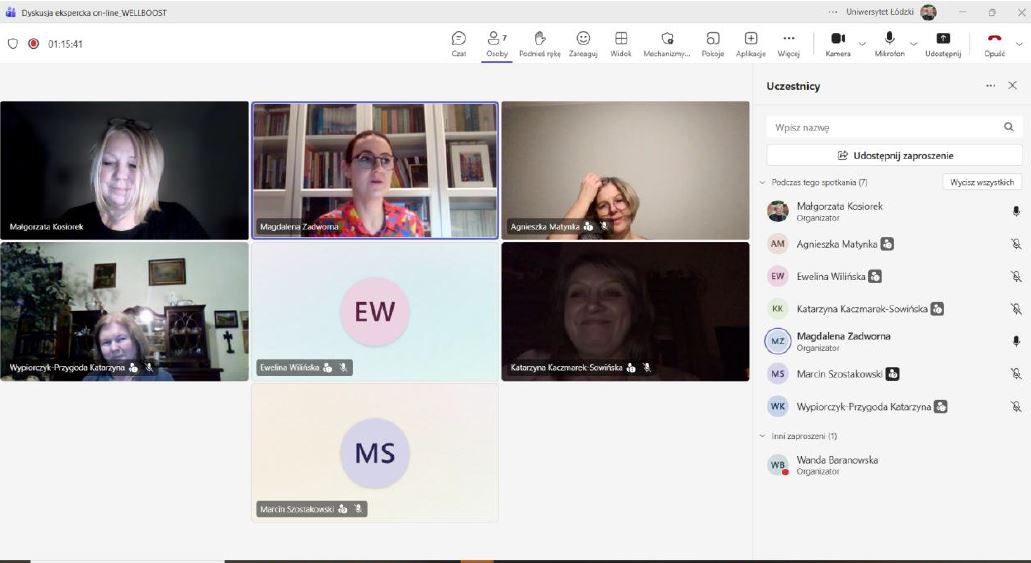
On 10 December 2025, the University of Łódź organised the Polish Co-Creation Workshop, gathering 6 teachers, school counsellors and educational support specialists working with Ukrainian students in Polish schools. Participants pointed to language barriers and the pressure of "double schooling" (attending Polish classes while continuing online education from Ukraine) as major sources of stress. The workshop highlighted communication and conflict management as priority life skills, recommending that the simulator focus on scenarios such as welcoming new students and returning to school after long absences.
Co-Creation Workshop - Czech Republic
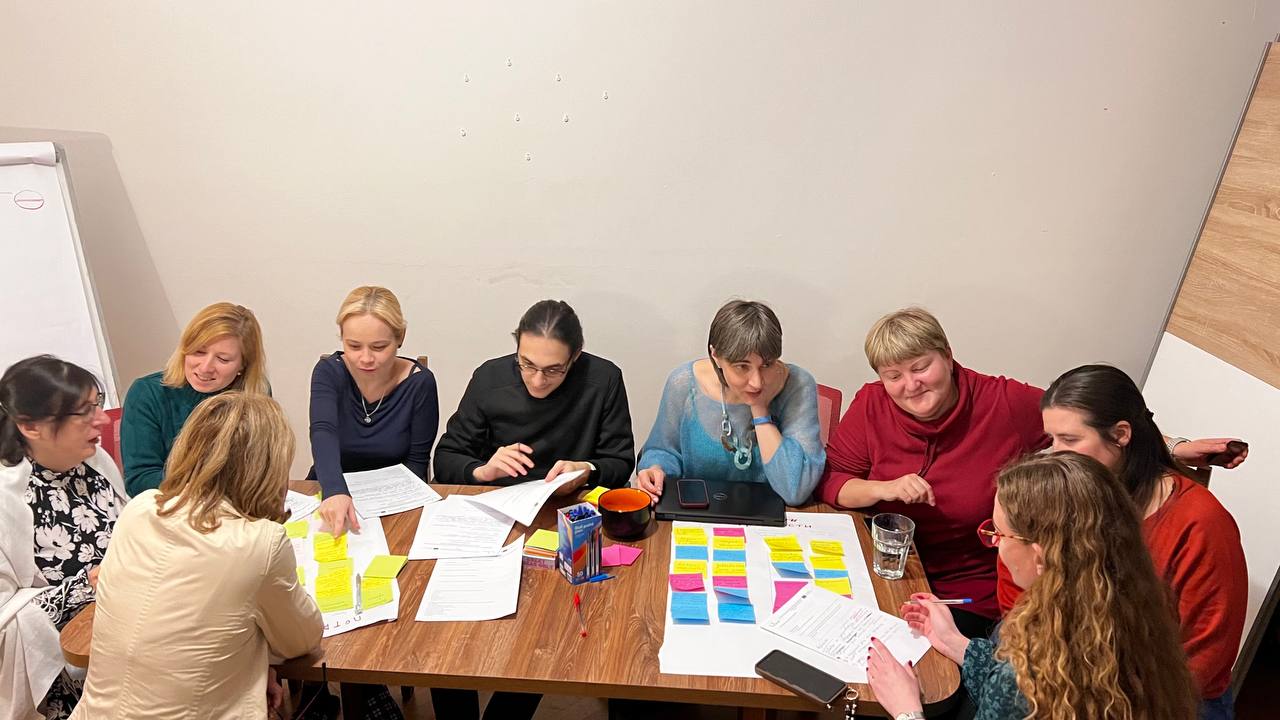
On 11 December, AMIGA, z.s. hosted the Czech Co-Creation Workshop in Prague, bringing together 8 participants, including psychologists, teachers from adaptation schools, intercultural specialists and peer consultants working closely with Ukrainian adolescents. Discussions centred on academic language barriers and the difficulty of adapting to an unfamiliar school culture, alongside the loneliness many students experience when building friendships with Czech classmates. Stakeholders called for the simulator to include realistic scenarios on public speaking and group work, delivered in a format that feels more like a game than a formal assessment.
Co-Creation Workshop - Bulgaria
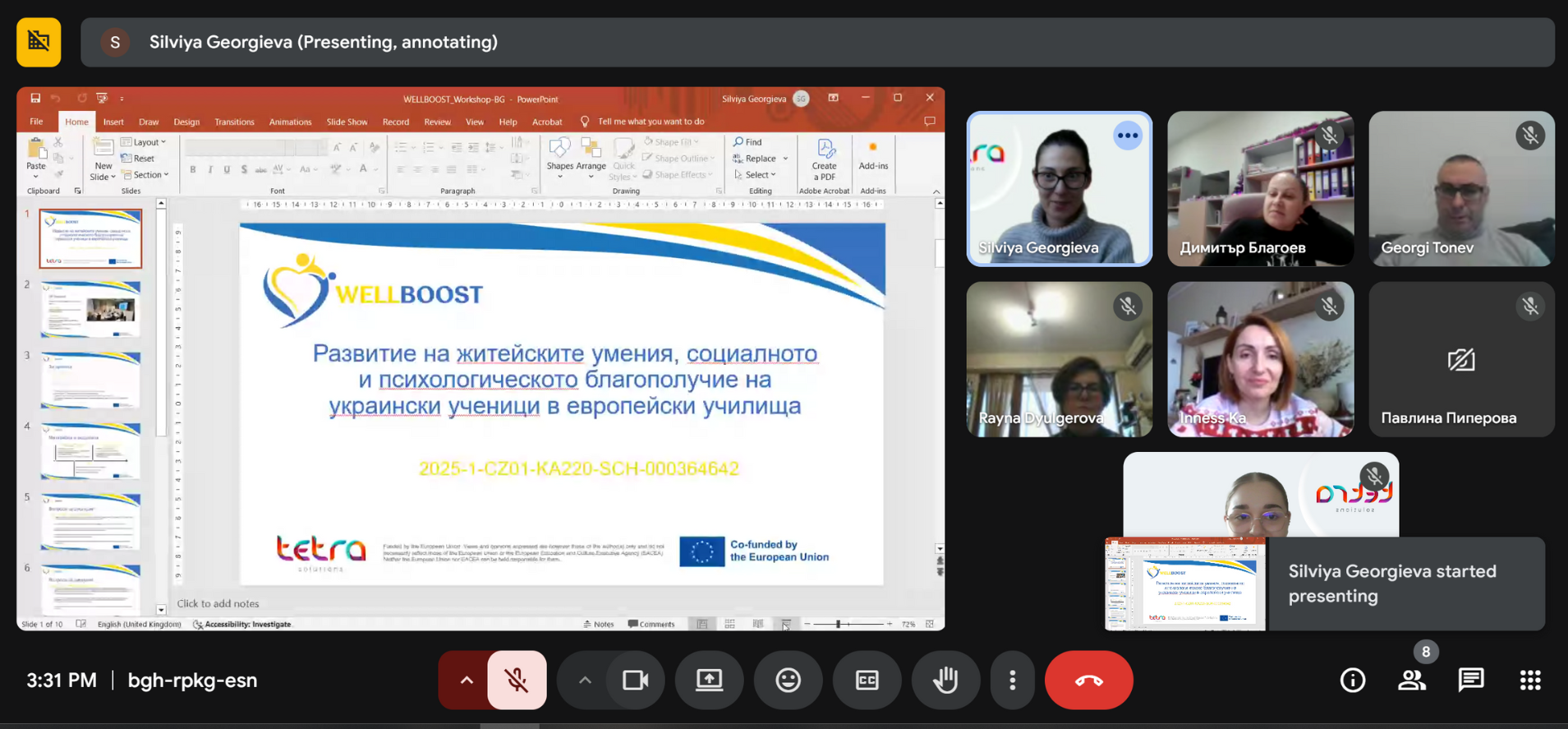
On 17 December 2025, Tetra Solutions organised the Co-Creation Workshop in Bulgaria, bringing together 5 school principals and teachers from schools in Svishtov, Sveti Vlas, Burgas and Stara Zagora. The discussion focused on how uncertainty about the future and strong ties to local Ukrainian communities can limit students' motivation to engage with Bulgarian language learning and school life. Communication and social interaction emerged as key life-skills gaps, with participants recommending that the simulator present everyday situations, such as asking for help or joining a conversation, as shared experiences rather than challenges unique to refugee students.
Co-Creation Workshop - Greece
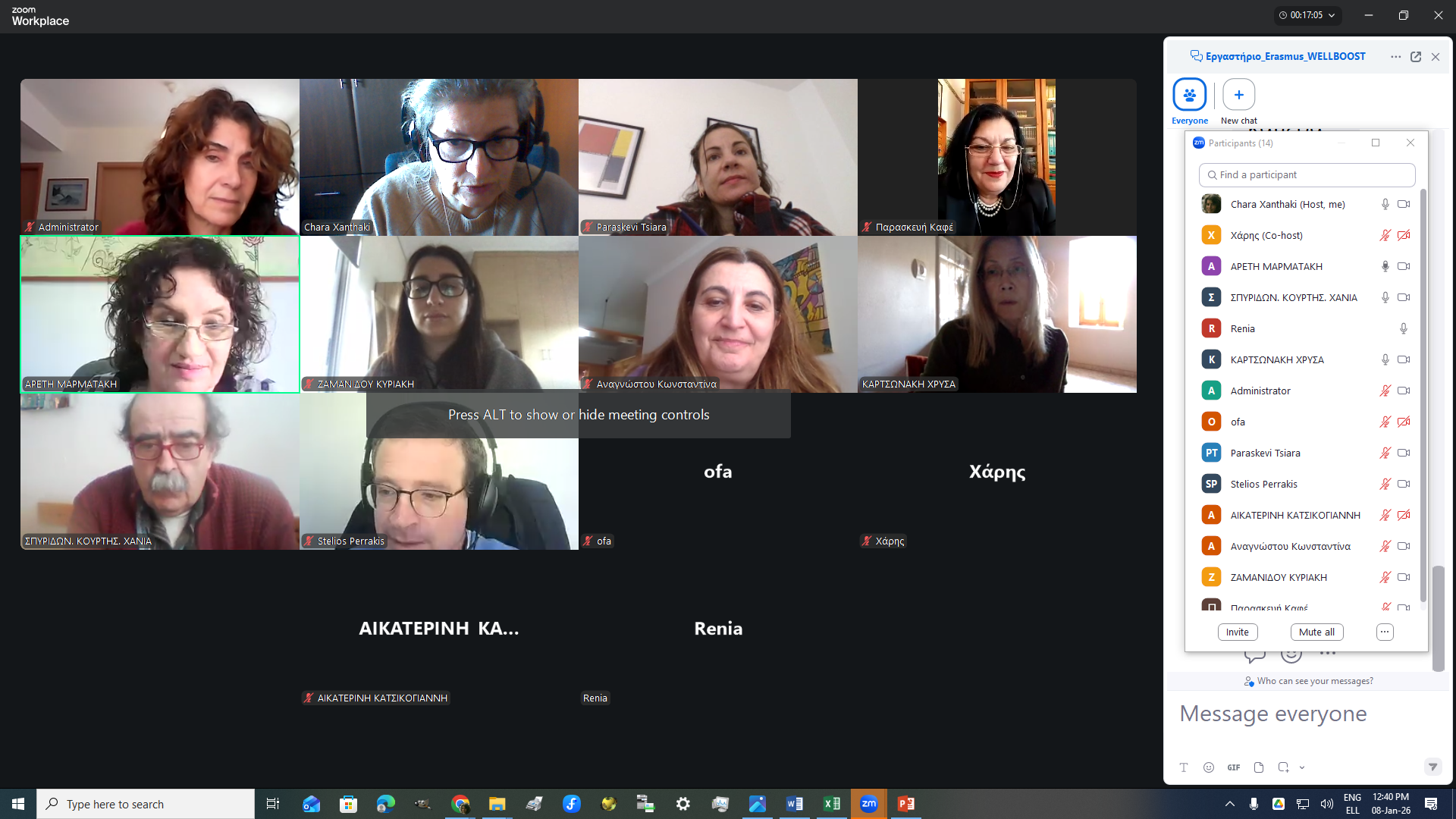
On 8 January 2026, the Directorate of Secondary Education of Chania (DSEC) organised the Greek Co-Creation Workshop, held across 2 sessions with a total of 11 participants, including the Regional Refugee Education Coordinator, school directors, teachers and educational specialists from Chania secondary schools and KEDASY. Participants identified the shift from English to Greek as one of the most significant barriers to integration, often leading students to avoid classroom participation. The workshop placed particular emphasis on stress management and resilience, recommending experiential approaches such as drama and team sports activities that involve the whole class rather than focusing solely on Ukrainian students.
Co-Creation Workshop - Slovenia
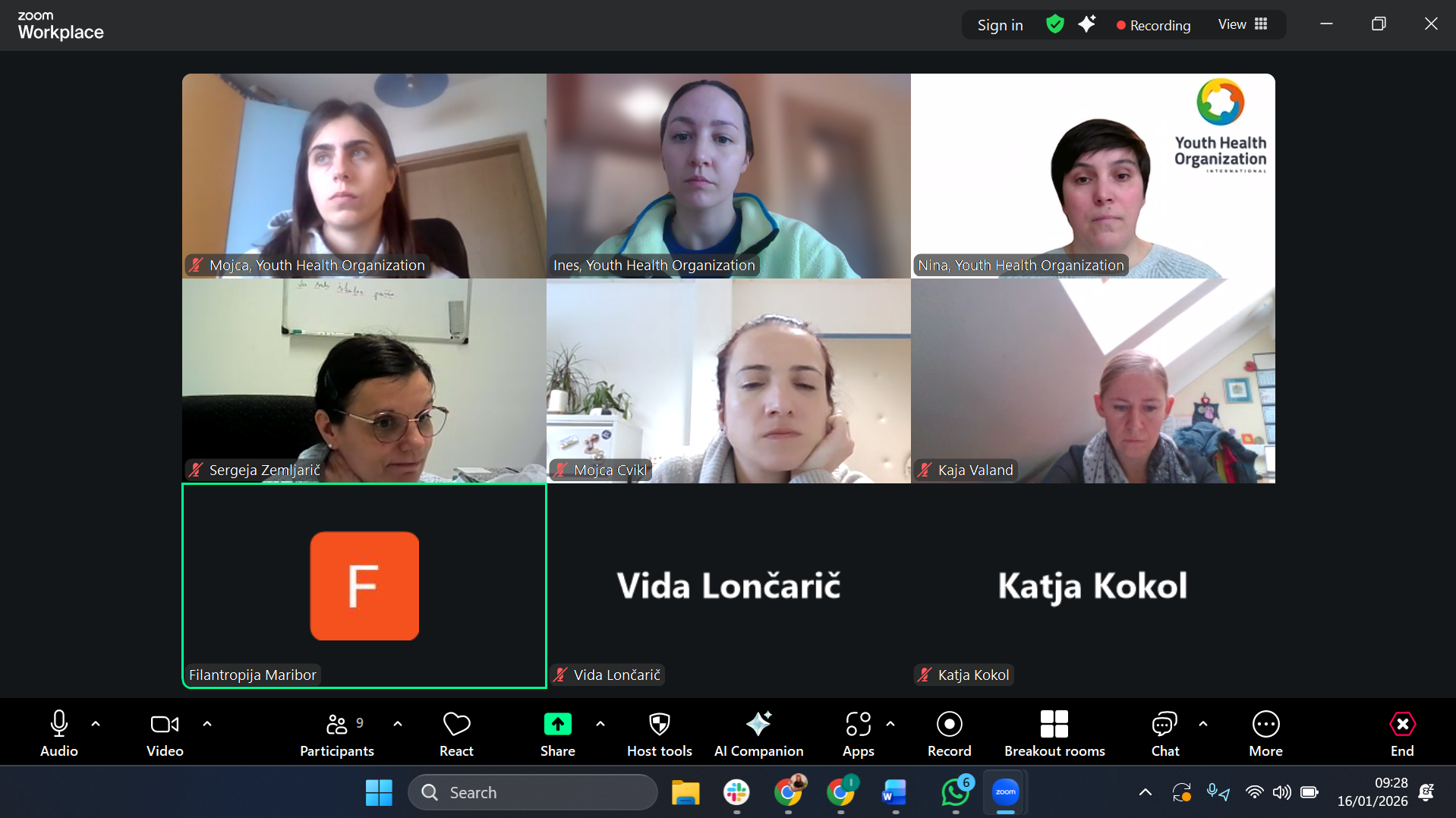
On 16 January 2026, the Youth Health Organization (YHO) held the Slovenian Co-Creation Workshop across 2 sessions, gathering 6 school counsellors, teachers, preschool educators and social welfare professionals from Slovenian schools and support organisations. The discussion highlighted the pressure of balancing Slovenian and Ukrainian schooling alongside high parental expectations, as well as the impact of subject-specific vocabulary on academic confidence. Stakeholders prioritised communication and stress management, and advised that sensitive topics such as war, loss and mental health be approached with particular care within the simulator.
In total, 36 professionals across the five partner countries contributed their expertise, providing rich, contextualised insights into the challenges Ukrainian students face and practical recommendations for the WELLBOOST tools. Their input is now feeding directly into the development of the Digital Life Skills Simulator, ensuring that its content reflects authentic, everyday experiences and genuinely supports students' wellbeing and integration.